The Roots of American Order
by Russell Kirk
- nonfiction
- Shelves: history, classics, politics, government, philosophy, religion, american history
- 534 pages
- ISBN: 9781882926992 (Goodreads)
- Format: kindle
- Buy on Amazon
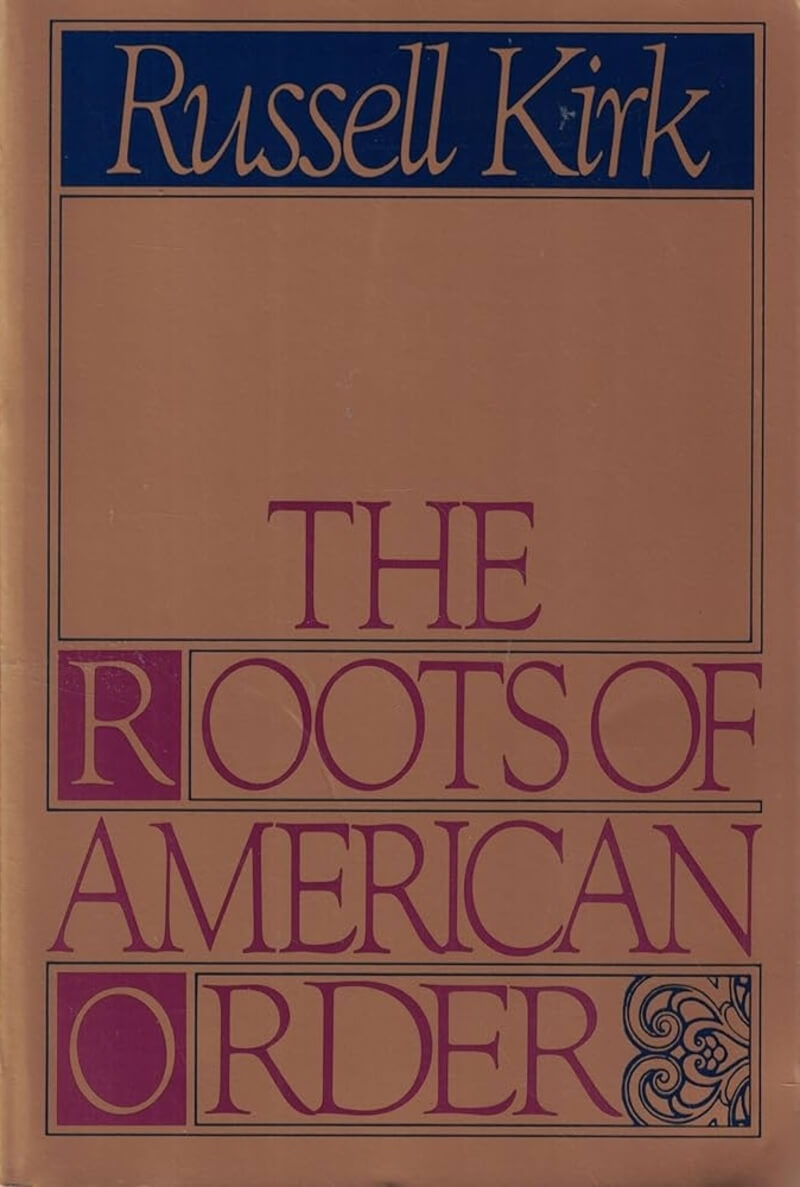
The American flavor of societal order is a fascinating thing. 250 years ago we kicked off this experiment in freedom and self-government, and achieved a remarkable degree of constitutional stability, while preserving a rich and diverse culture fabric.
Kirk’s project is to trace where we get the ingredients for this stew. Many historians would go back to Locke, Hume, and Montesquieu, and Kirk gives them their credit, too. But he traces even those roots period deeper, all the way back to Jerusalem, Athens, Rome, and medieval England. Hebrew religious doctrine provided a grounded moral foundation. Ancient Greek philosophy developed a respect for civic virtue, reason, and justice. The Roman Republic added tested, durable concepts of citizenship and political Infrastructure. And the English system developed common law practices of building legal frameworks on empirical, local-first experience.
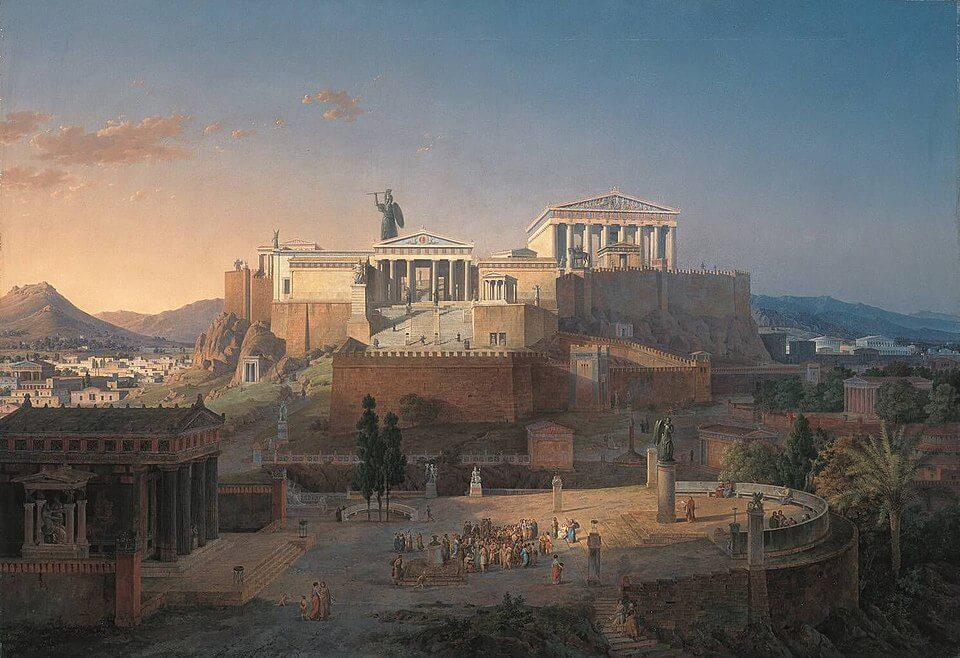
Through a detailed investigation of these sources and how they’ve combined and evolved into the American framework. It’s all interconnected going back over two millennia. It’s a fundamentally “Burkean” story. Our system that mixes freedom, restraint on power, and error correction owes its existence to an inherited tradition of what’s worked over the centuries in western civilization, preserving the good while inching our way forward. From ancient Judaea through to the American founding, it didn’t take any big swings at Utopianism, with their whole-cloth designs. America’s order endures, while countless other totalitarian attempts at order have fallen into the dustbin of history.